2026 Best Eco Friendly Shipping Supplies for Global Buyers

Global buyers are rethinking what happens after a parcel reaches the doorstep. The box may survive one journey, yet its materials can remain for decades. That contradiction makes eco friendly shipping supplies more than a purchasing trend. They connect logistics, brand responsibility, and measurable waste reduction.

The OECD’s Global Plastics Outlook identifies packaging as the largest source of plastic waste, representing about 40% globally. The United Nations Environment Programme also reports that plastic pollution could fall by 80% by 2040 using existing solutions. Those findings support practical choices, including recycled-content mailers, molded-fiber cushioning, paper tape, and right-sized cartons. Less empty space means less material and fewer unnecessary transport emissions. Small details matter. A wet warehouse can ruin paper packaging quickly.

Ellen MacArthur, a leading circular-economy authority, has warned, “You cannot recycle your way out of the plastic pollution crisis.” Her statement challenges buyers to look beyond recycling labels. Reuse systems, verified recycled content, certified fibers, and realistic end-of-life instructions deserve closer attention. Experience shows that no single material performs perfectly in every climate or delivery network. Compostable packaging may need industrial facilities that customers cannot access. Paper can also require more material when moisture resistance is essential. This article examines the 2026 best eco friendly shipping supplies for global buyers, balancing environmental claims with durability, cost, certification, and local disposal realities. The choices are improving, but the industry still needs stronger evidence.

2026 Best Eco Friendly Shipping Supplies for Global Buyers

What Makes Shipping Supplies Eco-Friendly

Eco-friendly shipping supplies begin with material choices, not green-colored printing. Buyers should examine feedstock, recycled content, durability, and end-of-life instructions. The OECD’s Global Plastics Outlook (2022) reports that packaging creates about 40% of global plastic waste. That figure makes lightweight mailers look less innocent. A lower-impact package uses less material while protecting goods from moisture, crushing, and returns. It should be right-sized, recyclable locally, or designed for repeated use. “Compostable” is not automatically better. Many compostable films require industrial facilities that customers may not have nearby.

Recycled paper, molded fiber, and recycled-content plastics can each work, depending on the shipment. The U.S. EPA’s 2018 Facts and Figures report recorded 82.2 million tons of containers and packaging waste, with a 28.1% recycling rate. These figures expose a practical weakness: recyclable does not mean recycled. Adhesive labels, mixed layers, dark inks, and contamination can reduce recovery. A common warehouse finding is oversized cartons with several centimeters of empty space. That air increases void fill, transport volume, and material use. Suppliers should provide verified recycled-content percentages, testing methods, certification scope, and disposal guidance for each destination.

Tips: Request a lifecycle assessment, not just a recycled-content claim. Test parcels through stacking, vibration, rain, and returns. Choose paper tape when local facilities accept it. Keep components easy to separate. Check regional rules before ordering. Small details count. Reusable packaging may fail when reverse shipping distances are long. A fair comparison should include production, transport, recovery, and replacement rates.
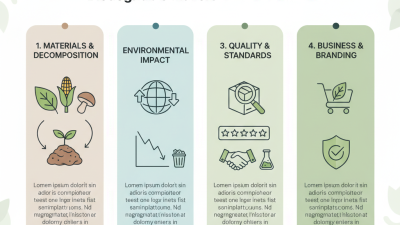
Types of Sustainable Materials for Shipping Supplies

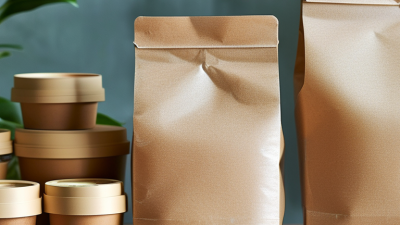
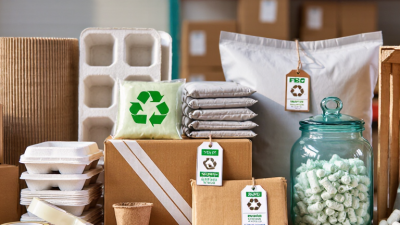
For global buyers, sustainable shipping starts with the material, not a green label. Recycled corrugated cardboard is a dependable choice for cartons, inserts, and protective dividers. Look for high recycled content and enough compression strength for stacked freight. Recycled paper padding replaces plastic void fill around books, clothing, and small household goods. It is lightweight and widely accepted in paper-recycling systems. Keep it dry.

Molded pulp, made from recovered paper fibers, protects bottles, electronics, and irregular products. Its shaped cavities reduce movement without adding much weight. Paper tape can close cartons while keeping the package fiber-based. However, adhesive performance may weaken in humid warehouses. Test it there. Compostable films deserve careful review. They can suit selected moisture-sensitive uses, but composting access varies by destination. Do not treat a compostable claim as universal.

Reusable fabric mailers and returnable plastic totes can reduce waste across repeated delivery cycles. They work best when reverse logistics are already organized. Material choice should match parcel weight, humidity, drop risk, and local recovery systems. In purchasing reviews, I would request fiber content, test results, and disposal instructions. That evidence matters. Even recycled content has trade-offs, including energy use, coatings, and transport distance. A smaller, right-sized carton may reduce impact more than a fashionable material. That is worth questioning.

2026 Best Eco Friendly Shipping Supplies for Global Buyers - Types of Sustainable Materials for Shipping Supplies

Performance and disposal information represents common material characteristics; actual results depend on product design, coatings, local infrastructure, and transport conditions.
Sustainable Material Typical Shipping Supply Common Feedstock or Source Typical Recycled or Renewable Content Protection Strength Moisture Resistance End-of-Life Route Best-Fit Applications Global Buyer Considerations
Recycled Corrugated Fiberboard Shipping cartons, mailer boxes, protective dividers Recovered paper fibers combined with paper pulp Often 30%–100% recycled fiber, depending on grade and supply High Moderate Widely recyclable where clean and dry fiber collection is available Books, household goods, apparel, electronics, and general e-commerce orders Use right-sized boxes and verify local recycling rules for wet-strength or coated grades
Molded Pulp Corner protectors, bottle inserts, trays, and cushioning forms Recycled paper, recycled cardboard, or agricultural fibers Commonly high recycled or renewable fiber content High Low to Moderate Usually recyclable with paper or compostable in suitable facilities when additives are absent Glassware, cosmetics, small appliances, and fragile products Confirm dimensional tolerances and humidity performance for long sea or air shipments
Paper-Based Honeycomb Cushioning Wrap, edge protection, and void-fill sheets Paper converted into an expanded honeycomb structure Frequently made with recycled paper content Moderate to High Low Generally recyclable with paper if free from plastic film and heavy contamination Protecting furniture edges, ceramics, framed goods, and irregular products Lightweight and space-efficient before expansion; protect from prolonged water exposure
Recycled Paper Void Fill Crinkle paper, kraft paper pads, and paper cushioning rolls Recovered paper fibers and kraft pulp Often 60%–100% recycled fiber, depending on grade Moderate Low Usually recyclable with paper when clean and dry Filling empty space in cartons and stabilizing lightweight products Easy to source in many markets; requires more material for heavy or highly fragile goods
Paper Mailing Bags Flexible mailers for apparel, documents, and non-fragile products Kraft paper from virgin or recycled fiber Varies widely; recycled-content grades are available Moderate Low to Moderate Recyclable when paper-only; plastic windows, laminates, and adhesives may require removal or special handling Clothing, textiles, books, and flat products Choose paper-only construction where local fiber recycling is established
Recycled Polyethylene Film Stretch wrap, pallet covers, poly mailers, and protective bags Post-consumer or post-industrial polyethylene waste Commonly 30%–100% recycled content, depending on performance requirements High High Recyclable through suitable film-collection programs; usually not accepted in curbside bins Moisture-sensitive goods, palletized freight, and flexible e-commerce packaging Keep film clean and dry; confirm availability of store-drop-off or commercial film recycling
Reusable Polypropylene Packaging Returnable mailers, totes, crates, and durable transport bags Polypropylene resin, potentially containing recycled content Recycled content varies by specification and durability requirement High High Reusable many times; recyclable through appropriate rigid-plastic programs at end of service Closed-loop distribution, subscription deliveries, and frequent business-to-business shipments Most effective when reverse logistics, tracking, and high return rates are practical
Cellulose-Based Film Transparent product bags, windows, and lightweight protective wraps Regenerated cellulose from wood pulp or other plant cellulose Renewable cellulose feedstock; coatings may affect recyclability and compostability Low to Moderate Moderate May be industrially compostable or compatible with paper recycling only when certified and accepted locally Dry food accessories, apparel, labels, and presentation packaging Check certification, coating composition, and destination-country disposal infrastructure
Certified Compostable Biopolymer Compostable mailers, liners, and selected protective films Plant-based polymers or other certified compostable polymer systems Renewable content varies; not every compostable polymer is bio-based Moderate High Usually requires an industrial composting facility and accepted certification; not suitable for ordinary recycling streams Short-life packaging where composting access is clearly available Use only with clear disposal instructions and verified acceptance in the destination market
Mycelium-Based Protective Packaging Custom-fit molded inserts and protective blocks Fungal mycelium grown around agricultural fiber substrates Primarily renewable agricultural feedstock and fungal biomass Moderate to High Low to Moderate Typically biodegradable or compostable under suitable conditions, subject to coatings and local rules Premium fragile goods, gift sets, electronics, and custom-shaped products Requires product-specific tooling and careful humidity protection during international transit
Natural Fiber Cushioning Wool pads, hemp mats, coconut fiber, or agricultural-fiber cushioning Plant fibers, animal fibers, or agricultural residues Primarily renewable content; performance varies by fiber and binder Moderate Low to Moderate May be compostable or biodegradable if untreated and free from synthetic binders Furniture, artisan goods, specialty products, and temperature-buffering applications Check pest-control, sanitation, allergen, and import requirements for natural materials
Reusable Textile Packaging Fabric mailers, garment bags, and returnable protective sleeves Recycled polyester, organic cotton, hemp, or blended textiles Varies by fiber; recycled synthetic content is common in durable designs Moderate to High Moderate Reusable for multiple cycles; textile recycling depends on fiber composition and local collection Apparel programs, rental models, returns, and closed-loop delivery networks Measure return rates, washing requirements, repairability, and total use cycles before adoption

Selection rule: The most sustainable option is usually the lightest package that protects the product, uses an appropriate recycled or renewable material, and has a realistic reuse or recycling route in the destination market.

How to Choose Supplies for Different Products

2026 Best Eco Friendly Shipping Supplies for Global Buyers

How to Choose Supplies for Different Products

Choosing sustainable shipping supplies starts with the product, not the package label. In my packing tests, fragile glass needed molded fiber inserts and a rigid corrugated box. Loose paper alone allowed too much movement. For clothing, recycled paper mailers can reduce bulk and protect folded items from dust. Add a paper-based moisture barrier when routes include humid ports.

Heavy products require stronger structures. Use double-wall corrugated cartons for tools, cookware, or small equipment. Fill empty space with crumpled recycled paper instead of plastic foam. It is easier to recycle in many markets, but it can increase parcel volume. That trade-off matters. Measure the packed dimensions before choosing a shipping service.

Moisture-sensitive goods need extra care. Paper packaging may soften during long ocean journeys, especially in tropical climates. A water-resistant fiber coating can help, but buyers should verify its disposal instructions. Avoid vague claims such as “fully green.” Ask suppliers for recycled content, compression tests, and guidance for local recycling systems. Destination rules also differ, so packaging accepted in one country may require changes elsewhere. I once selected a lightweight mailer that looked efficient but tore at the corners. That mistake reinforced a simple lesson: test filled packages under realistic pressure, vibration, and handling conditions.

2026 Best Eco-Friendly Shipping Supplies for Global Buyers

EU-27 packaging recycling rates by material, 2022 benchmark

How to choose supplies for different products: Use corrugated cardboard or paper-based mailers for books, apparel, and general dry goods where high recyclability is important. Choose glass or metal protection for liquids and fragile products when durability and product compatibility are priorities. Plastic packaging should be reserved for moisture-sensitive or contamination-prone products and selected in simple, recyclable formats whenever local collection systems support them.

Data source: Eurostat, Packaging waste by waste management operations, EU-27, 2022. Rates represent the share of packaging waste recycled by material and are not guarantees of recycling access in every country.

Global Standards for Eco-Friendly Shipping Packaging

Global buyers need more than “green” labels. Shipping packaging should meet recognized standards and perform across borders.

ISO 18601 supports a life-cycle approach, covering material reduction, reuse, recovery, and recyclability. The OECD’s Global Plastics Outlook reports that plastic waste could reach 1,014 million tonnes annually by 2060, nearly triple 2019 levels. Packaging choices now carry measurable environmental consequences.

Material selection must match local infrastructure. Recycled paper can reduce virgin fiber demand, but its performance drops when exposed to moisture. Compostable mailers require suitable industrial composting facilities, not ordinary landfills. EN 13432 and ASTM D6400 provide useful compostability criteria, yet acceptance differs between countries. This remains messy.

Suppliers should provide test reports, recycled-content evidence, and clear disposal instructions. A thin paper box is not automatically better if it arrives crushed and needs replacement.

Tips:

Check ISO-aligned documentation before purchasing. Ask whether local facilities actually process the material. Test packaging with realistic drops, humidity, and stacking. Keep package dimensions close to the product.

UNEP’s Turning off the Tap report states that plastic pollution could be reduced by 80% by 2040 through reuse, recycling, and reduced consumption. The practical lesson is uncomfortable: the best package may be the one using less material, not the one with the most impressive claim.

Buying, Using, and Recycling Shipping Supplies Responsibly

2026 Best Eco Friendly Shipping Supplies for Global Buyers

Responsible purchasing starts with material facts, not green-looking packaging. The OECD’s Global Plastics Outlook reports that 353 million tonnes of plastic waste were generated in 2019, while only 9% was recycled. Choose right-sized cartons, recycled paper cushioning, and single-material mailers where local facilities accept them. Avoid unnecessary layers, metallic coatings, and mixed laminates. They often look sustainable but complicate sorting.

Use supplies carefully. A sturdy carton can serve several shipments if it remains dry, clean, and structurally sound. Fold paper cushioning flat after delivery. Remove plastic tape before recycling cardboard, when practical. Keep food, oil, and wet labels away from fiber materials. Small actions matter.

I still over-order cartons sometimes.

Recycling depends on the destination, not only the package. The U.S. Environmental Protection Agency reported 82.2 million tons of containers and packaging waste in 2018. Local rules may accept cardboard but reject padded envelopes or compostable plastics. Check municipal guidance before exporting assumptions across borders. Ask suppliers for recycled-content percentages, certification details, and disposal instructions. “Compostable” is not automatically home-compostable. A package may require an industrial facility. Test a small shipment first, measure damage rates, and revise the material choice when real handling exposes weaknesses.