Packaging is everywhere: a coffee lid, a takeaway bowl, or a thin produce bag. The environmental cost is less visible. The OECD’s Global Plastics Outlook (2022) identifies packaging as the largest plastics application, representing about 40% of global plastic use. This pressure has increased interest in compostable packaging, designed to break down into carbon dioxide, water, biomass, and compost under defined conditions.
The word “compostable” needs careful handling. It does not simply mean biodegradable in any environment. Many products require controlled heat, moisture, oxygen, and microbial activity inside an industrial composting facility. EN 13432 in Europe and ASTM D6400 in the United States provide recognized requirements for compostable packaging claims. The Biodegradable Products Institute also evaluates products against applicable standards in North America. Certification helps, but it cannot replace local collection systems. A certified food container may still become waste if no composting facility accepts it.
The market is growing, but the evidence is not perfectly simple. European Bioplastics reported global bioplastics production capacity of about 2.18 million tonnes in 2023, with capacity projected to reach roughly 7.43 million tonnes by 2028. That figure covers bioplastics broadly, not only compostable materials. The distinction matters. A package can be bio-based yet non-compostable, or compostable only in an industrial setting. Real-world performance depends on material design, labeling, food contamination, and disposal behavior. Sometimes, the bin decides the outcome. This article explains how compostable packaging works, where it performs well, and why its environmental benefits require honest infrastructure and careful claims.
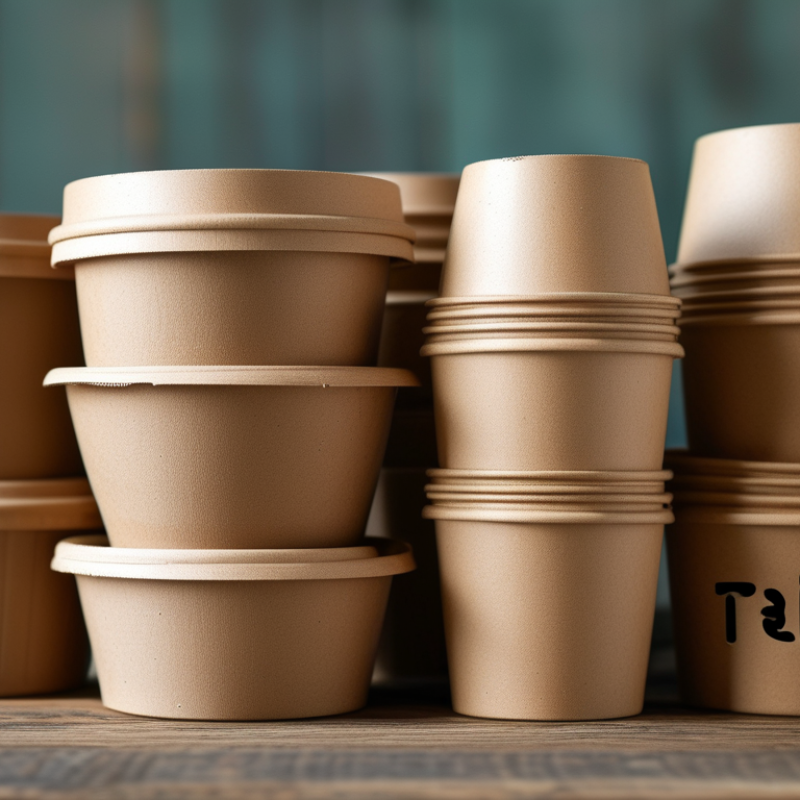
Compostable packaging is designed to break down into compost under defined conditions. It is not simply plastic that disappears outdoors. Industrial composting usually provides controlled heat, moisture, oxygen, and microbial activity.
Under the EN 13432 standard, certified packaging must reach 90% biodegradation within 180 days. It must also disintegrate within 12 weeks, with limited visible residue.
These are laboratory conditions, not a guarantee for every garden bin.
That difference makes compostable packaging unusual. Conventional plastic aims to remain stable, while compostable material is engineered to change. It may use plant-based polymers, compostable coatings, fibers, or carefully selected additives. The feedstock alone does not prove compostability.
According to European Bioplastics’ 2023 market data, packaging represented roughly half of global bioplastics production capacity. Growth is visible, but infrastructure is uneven. Many facilities cannot identify or process compostable items efficiently.
Real use exposes the gaps.
A takeaway lid may sit in a landfill without enough oxygen.
A certified pouch may contaminate recycling if placed in the wrong collection stream.
The Ellen MacArthur Foundation has repeatedly emphasized that packaging systems need reuse, recycling, or composting pathways—not materials alone.
That is the uncomfortable part. Compostable packaging can reduce certain waste problems, but only when disposal instructions, collection systems, and facility standards align. Even clear labels can still be misunderstood.
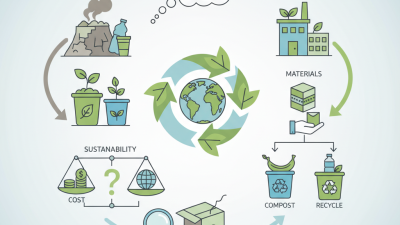
Compostable packaging begins with materials that microorganisms can break down under suitable conditions. Polylactic acid, or PLA, comes from fermented plant sugars. It can form clear cups, films, and rigid containers. However, PLA usually needs commercial composting facilities with controlled heat, moisture, and airflow. It may remain unchanged in a backyard compost pile.
Polyhydroxyalkanoates, known as PHAs, are made by microorganisms during fermentation. They can break down more readily in some natural environments than PLA. Starch-based materials use crops such as corn, potatoes, or cassava. Manufacturers often blend starch with fibers or flexible additives. These blends can create films, trays, and loose-fill packaging. Their performance depends on the recipe, thickness, and local composting conditions.
Plant fibers provide another useful option. Molded pulp, paper, bamboo fiber, and agricultural residues can become trays, cartons, or protective inserts. A thin coating may improve water resistance, but it can also slow decomposition. That detail is easy to overlook. Packaging labeled compostable is not automatically compostable everywhere. Testing standards, inks, adhesives, and coatings all matter. The boundary is not always neat. A package may break down well in an industrial facility but fail in home compost. Checking disposal instructions remains essential, even when the material looks natural.
Compostable packaging is designed to break down through biological activity, not simply disappear. Microorganisms feed on suitable plant-based materials when moisture, oxygen, and warmth are available. In managed composting facilities, temperatures often reach about 55–70°C. These conditions help microbes work faster and more consistently.
The process usually begins with softening. Water enters the material, and heat weakens its structure. Bacteria and fungi then break larger molecules into smaller compounds. Carbon becomes carbon dioxide, while water and organic matter return to the compost. The timing varies. A thin film may change within weeks, but a molded container can take longer.
Not every compostable package belongs in a backyard compost pile. Some require controlled heat, airflow, and commercial processing. Without those conditions, the package may remain almost unchanged. That distinction is easy to miss. Check the disposal instructions carefully, and remove labels or mixed materials when required. From practical testing, moisture seems especially important; a dry package often breaks down slowly. The system is useful, but not flawless. Even certified materials can fail to compost properly when facilities, collection systems, or household habits do not match their design.
Compostable packaging is designed to break down through microbial activity into carbon dioxide, water, biomass, and compost under suitable composting conditions. The chart shows typical temperature ranges during the main stages of a controlled composting process.
How breakdown happens: Moisture softens the material, microorganisms consume its biodegradable components, and heat accelerates decomposition. Industrial composting systems commonly maintain thermophilic temperatures of about 45–70°C. Actual breakdown time depends on material composition, thickness, moisture, oxygen, and facility conditions.
Compostable packaging is designed to break down into water, carbon dioxide, biomass, and non-toxic residue. However, “compostable” does not mean it disappears anywhere. The required conditions matter greatly. In an industrial facility, operators control temperature, moisture, oxygen, and turning schedules. Active piles commonly reach about 55–60°C. These conditions support faster microbial activity and help packaging break down within a managed processing cycle. Facility acceptance is essential.
Industrial composting is not the same as leaving packaging in a backyard pile. Some materials require commercial heat and controlled humidity. They may remain recognizable for months at home. A local facility should confirm whether it accepts the specific item, not just the general material type. Labels can be confusing. Certification helps, but local rules still decide what enters the collection bin.
Home compostable packaging needs a different design and a clear home-composting certification. Backyard systems usually have lower temperatures and less consistent airflow. Dry leaves, food scraps, and soil must remain balanced. A thick pouch may soften slowly, especially during cold or dry weather. I have seen thin materials break down sooner than expected, while printed or layered pieces linger. That difference deserves attention. Home composting can take several months or longer, and fragments should not be removed casually. Screening the finished compost helps identify remaining pieces before using it around plants.
Compostable packaging is designed to break down into water, carbon dioxide, and biomass under controlled conditions. It is not simply plastic that disappears. Industrial composting requires heat, moisture, oxygen, and active microorganisms. Standards such as EN 13432 and ASTM D6400 test disintegration, biodegradation, and ecological safety. European Bioplastics’ 2024 market update projects global bioplastics capacity to grow from 2.18 million tonnes in 2023 to about 7.43 million tonnes by 2028. Growth is significant. Collection systems remain uneven.
Its strongest benefit appears when packaging and food waste enter the same commercial composting stream. This can reduce sorting effort and keep heavily soiled items away from recycling equipment. However, compostable packaging does not automatically reduce overall waste. The UNEP report Turning off the Tap (2023) says plastic pollution could fall by 80% by 2040 through reuse, recycling, and system redesign. Compostables are only one possible tool. They need careful placement. I have found the label can create false confidence, especially when disposal instructions are vague.
Disposal determines the real environmental outcome. Check whether your local facility accepts certified compostable packaging. Most items belong in industrial composting, not a backyard pile. Home composting needs a separate certification. Never place compostables in recycling unless local guidance permits it. They may contaminate recyclable materials. In a landfill, limited oxygen and moisture can slow decomposition dramatically. Remove food residue only when facility instructions require it. The practical mistake is assuming “compostable” means “compostable everywhere.”