China Top Biodegradable Mailers Suppliers for Global Buyers?
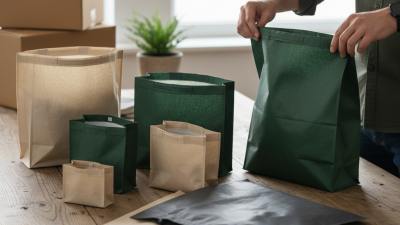
China has become a serious sourcing base for biodegradable mailers, serving retailers, exporters, and fulfillment companies worldwide. Its suppliers offer kraft-textured envelopes, compostable poly mailers, custom printing, and private-label production. Yet “biodegradable” is not a complete purchasing standard. Material origin, thickness, sealing strength, certification, and disposal conditions all affect real performance.
European Bioplastics and nova-Institute reported that global bioplastics production capacity could rise from approximately 2.18 million tonnes in 2023 to 7.43 million tonnes by 2028. The growth sounds impressive. However, packaging buyers still need evidence behind every environmental claim. Compostable packaging may require controlled industrial facilities, while some biodegradable materials behave differently in soil, water, or landfill conditions. The label alone cannot answer that question.
Professor Ramani Narayan, a recognized bioplastics expert, has repeatedly emphasized, “Biodegradable does not mean it will biodegrade in the environment.” That warning deserves attention. A reliable Chinese supplier should provide test reports, traceable resin information, and certifications such as EN 13432, ASTM D6400, or TÜV Austria credentials, where applicable. Buyers should also request samples before approving large orders. Feel the seam. Test the adhesive. Check whether the mailer survives a rainy delivery route.
The supplier landscape is broad, but not every factory offers equal technical control. This guide examines China’s leading biodegradable mailers suppliers, their materials, certifications, production capabilities, customization options, and export experience. Some conclusions may remain imperfect, because supplier data changes quickly. Independent verification is still essential.
Biodegradable Mailers: Definition, Materials, and Environmental Benefits
China Top Biodegradable Mailers Suppliers for Global Buyers?
Biodegradable mailers are flexible shipping envelopes designed to break down under specific biological conditions. They commonly use plant-based polymers, such as PLA blends, or biodegradable polyester compounds. Some use starch-based additives. The material choice changes strength, moisture resistance, and disposal requirements.
A mailer labeled biodegradable may not decompose quickly in a backyard compost bin. Many products require controlled industrial composting, heat, moisture, and microbial activity. EN 13432 and ASTM D6400 provide recognized testing frameworks for compostable packaging. Buyers should request test reports, thickness data, seal-strength results, and full disposal instructions. Small details matter.
The OECD Global Plastics Outlook reported that only 9% of global plastic waste was recycled in 2019. This highlights the pressure on packaging producers to reduce conventional plastic use. However, replacing one material does not automatically create a lower-impact solution. European Bioplastics reported global bioplastics production capacity at about 1.44 million tonnes in 2023, with projected growth to roughly 4.36 million tonnes by 2028. Growth is significant, but collection infrastructure remains uneven.
A practical supplier review should examine feedstock sources, coating chemistry, printing inks, and third-party verification. A lighter mailer can reduce shipping emissions. A poorly specified one may tear in rain and require replacement. That risk deserves attention. Life-cycle performance also depends on transport distance, local composting access, and consumer sorting behavior. Waste systems are not identical everywhere.
How to Evaluate Biodegradable Mailer Suppliers in China
China Top Biodegradable Mailers Suppliers for Global Buyers?
How to Evaluate Biodegradable Mailer Suppliers in China
Evaluating biodegradable mailer suppliers requires more than checking a product catalog. Ask which material is used, where it breaks down, and under what conditions. “Compostable” is not automatically home-compostable. Request current test reports, certification numbers, and laboratory details. Verify whether the documents match the exact film, adhesive, ink, and mailer structure.
Request production samples before discussing large orders. Check thickness with a micrometer, then test seams, handles, odor, and surface strength. Fill one mailer with books or clothing. Drag it across a warehouse floor. Small failures often appear before laboratory results do. Inspect printing adhesion after rubbing and bending. A polished sample can still hide inconsistent sealing.
A reliable supplier should explain resin sourcing, batch control, and factory inspection procedures. Ask for records showing thickness tolerance and rejected-product handling. Video calls help, but an independent factory audit offers stronger evidence. Confirm minimum order quantities, lead times, packaging methods, and replacement policies in writing. Communication matters when specifications change. During one sample review, a supplier gave unclear composting advice, which raised a reasonable concern. That issue required better documentation, not optimistic promises. Some buyers may also overlook storage conditions, although heat and humidity can affect mailer performance before shipment.
How to Evaluate Biodegradable Mailer Suppliers in China
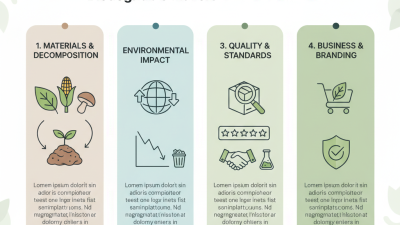
This buyer-side evaluation model gives the highest weight to independently verified compostability claims, material traceability, and performance testing. Buyers should request valid certification, test reports, factory quality records, export documentation, and clear commercial terms before selecting a supplier. The scoring weights are a practical procurement framework, not a ranking of individual companies or brands.
Relevant reference frameworks include EN 13432, ASTM D6400, ISO 17088, and AS 4736. These standards generally address industrial compostability conditions and should not be interpreted as proof of home compostability.
Leading Supplier Regions and Manufacturing Capabilities
China remains a major sourcing base for biodegradable mailers, especially in Zhejiang, Jiangsu, Guangdong, and Fujian. These coastal regions offer dense film-extrusion networks, skilled converters, and nearby export ports. Factories commonly produce mailers from PBAT blends, starch compounds, or PLA-based materials. Some facilities also support water-based printing, custom sizing, and perforated tear strips.
European Bioplastics reported global bioplastics production capacity of about 2.18 million tonnes in 2023.
Packaging represented roughly 43.5% of that capacity. The organization expects capacity to exceed 7.4 million tonnes by 2028. These figures cover wider bioplastics, not mailers alone. That distinction matters.
Chinese suppliers vary sharply in manufacturing depth. Larger plants may operate blown-film lines, automatic bag-making equipment, and in-house quality laboratories. Smaller factories may outsource film production, creating traceability gaps. Buyers should request resin composition, thickness records, seal-strength results, and batch samples. TÜV-style industrial compostability certification can support evaluation, but certification scope must match the finished mailer. A certificate for raw material is not enough.
Regional strengths differ.
Guangdong often supports fast customization and export packaging. Zhejiang and Jiangsu provide stronger access to film machinery and polymer processors. Fujian can offer competitive labor and flexible production runs. Yet “biodegradable” remains an imperfect description when disposal conditions are unavailable. Supplier audits, realistic delivery testing, and documented claims are still essential.
Certifications, Customization, and Quality Standards for Global Buyers
China’s biodegradable mailer suppliers can serve global buyers well, but certificates require careful checking. A valid EN 13432 or ASTM D6400 report should match the exact film structure. It should also identify the testing laboratory, report date, and product dimensions. ISO 17025 laboratory accreditation adds confidence to test results. However, a certificate alone does not prove consistent factory production.
Ask suppliers for recent samples, batch records, and quality inspection procedures. Check thickness with a micrometer, then test seal strength and tear resistance. A practical trial may include filling mailers with garments, books, or small boxed goods. Store them in warm and humid conditions before shipping tests. Small details matter. Weak seals can cause costly returns.
Customization usually covers size, closure type, handles, printing, and packaging quantities. Request a production sample before approving mass production. Confirm ink adhesion after rubbing and folding. Also clarify minimum order quantities, lead times, carton marks, and replacement terms. Some suppliers provide excellent samples but weaker bulk production. That gap deserves attention. Buyers should compare the approved sample with random cartons during inspection. I have found that transparent communication is often more valuable than impressive claims. Quality expectations should be written, measured, and reviewed before every shipment.