What Are the Best Biodegradable Shipping Bags?
Choosing the best biodegradable shipping bags requires more than reading a green label. A bag may look responsible, yet fail under rain, rough handling, or warehouse pressure. This guide examines materials, performance, certifications, and realistic disposal options.
Dr. Ramani Narayan, a leading biodegradable plastics expert, has said, “Biodegradability is not a property of a material; it is a system property.” That warning matters. A biodegradable shipping bag may need specific heat, moisture, microbes, or industrial composting conditions. It may not break down in a backyard compost pile or a landfill.
The strongest options balance environmental claims with everyday reliability. We will compare plant-based films, compostable mailers, recycled-content alternatives, and blended materials. We will also examine puncture resistance, seal strength, water exposure, and printing methods. A package that tears beside a wet doorstep creates waste quickly.
Look for recognized certifications, clear disposal instructions, and test results. Vague wording deserves skepticism. So does any promise of rapid decomposition everywhere. “Biodegradable” is not a magic word.
Real shipping conditions are messy. A bag can face cold trucks, sharp product edges, and repeated movement. An attractive material may still perform poorly. This guide therefore treats sustainability as a measured decision, not a marketing shortcut. The best biodegradable shipping bags depend on the product, delivery route, local waste system, and honest end-of-life expectations.
What Are Biodegradable Shipping Bags?
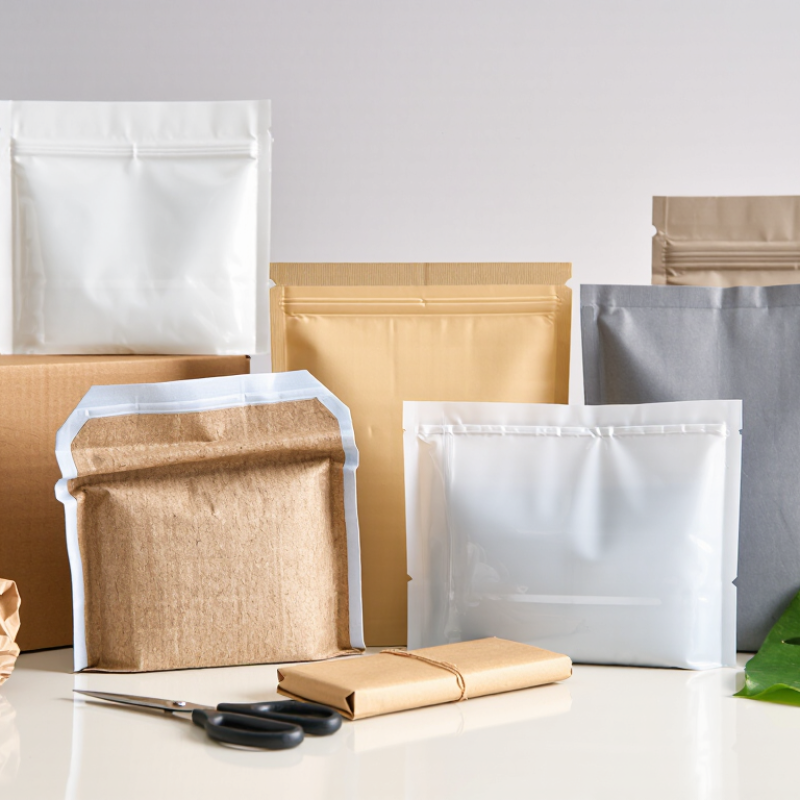
Biodegradable shipping bags are mailers designed to break down through natural biological activity. Unlike conventional plastic bags, they can decompose over time under suitable environmental conditions. Their materials may include plant-based polymers, starch blends, or specially treated flexible films. The exact breakdown process depends on heat, moisture, oxygen, and microbial activity.
Not every biodegradable bag disappears quickly in a backyard or landfill. Some require industrial composting facilities with controlled temperatures and humidity. Others may fragment without fully decomposing, which creates a serious environmental concern. Check the disposal instructions and certification details before choosing a product. In practical use, I look for strong seams, reliable closures, and enough thickness for rough handling. A bag that tears during delivery creates waste and customer frustration. That part is easy to overlook.
Tips:
Confirm whether the bag is biodegradable, compostable, or both. These terms are not interchangeable. Choose the correct size to reduce excess material. Store unused bags away from heat and moisture. Ask the supplier for clear testing information, not vague environmental promises. Even careful decisions can have gaps. For example, local waste systems may not accept compostable mailers. A responsible choice considers the entire journey, from packing table to disposal site.
Which Materials Are Used to Make Them?
What Are the Best Biodegradable Shipping Bags?
The best biodegradable shipping bags depend on their material, thickness, and disposal environment. Several materials are commonly combined to balance strength and decomposition.
PLA, made from plant-based sugars, can provide a smooth, firm film. However, PLA alone may crack when folded in cold conditions. PBAT is often blended with PLA or starch because it adds flexibility and tear resistance. Starch blends can reduce fossil-based plastic content, but moisture may weaken them. They need careful formulation.
PHA is another option. Microorganisms produce it through fermentation, and some PHA materials can break down in different environments. Performance still varies. Cellulose-based films feel more paper-like and may offer good printability. Yet, they often provide less protection against water and humidity. Some bags use several layers, including compostable coatings, adhesives, and printed inks.
A practical inspection matters.
In packing tests, a useful bag should resist punctures from sharp carton corners and remain sealed during handling. I once assumed a thicker bag would always be better. That was too simple. Extra thickness can delay decomposition and increase material use. Buyers should review independent testing, composting conditions, and clear disposal instructions.
“Biodegradable” does not always mean home-compostable. Many materials need controlled heat, moisture, oxygen, and microbial activity. Local facilities may not accept them, either.
How Do Biodegradable Shipping Bags Break Down?
Biodegradable shipping bags do not simply vanish after disposal.
Microorganisms, moisture, oxygen, and heat must work together. In industrial composting, bacteria and fungi consume suitable polymers and convert them into carbon dioxide, water, biomass, and mineral residue. The process is controlled, not magical.
The European standard EN 13432 generally requires certified compostable packaging to disintegrate within 12 weeks and biodegrade within six months under industrial conditions.
Disposal conditions determine the result. A sealed landfill has limited oxygen and microbial activity, so breakdown can become extremely slow. In a backyard compost bin, temperatures may also remain too low. A 2022 OECD report estimated global plastic waste reached 353 million tonnes in 2019, while only 9% was recycled. This matters because many shipping bags enter ordinary waste systems, not composting facilities. A bag that performs well in laboratory testing may behave differently in a damp curbside bin.
Material evidence still matters. Look for testing against recognized standards, such as EN 13432 or ASTM D6400, rather than relying on the word “biodegradable” alone. Certifications should identify test conditions, timeframes, and residue limits.
I have found the wording confusing in real purchasing decisions, and that uncertainty deserves attention. Some bags may fragment into smaller pieces without fully biodegrading. Better packaging choices require checking local collection rules, composting access, and the bag’s complete material specification.
How Can Their Strength and Performance Be Compared?
The best biodegradable shipping bags are not chosen by appearance alone. Compare tensile strength, tear resistance, puncture protection, and seal quality. A useful test begins with identical samples and equal weights. Fill each bag with books, clothing, or boxed products. Lift them repeatedly, then inspect the seams and corners. Small failures often begin there.
Performance changes with moisture and temperature. Store samples in a cool, dry room, then test others after exposure to humidity. Record stretching, cracking, and surface softening. Laboratory figures can help, but they do not replace practical handling. Standardized tests, such as tensile or puncture testing, make supplier claims easier to compare. Still, I would not trust one number. A strong film may tear around a weak adhesive seal.
Tips: Test at least five bags from each batch. Use the same load and drop height. Check the closure after transport simulation. Measure weight carefully, because extra material can improve strength but reduce environmental benefits. Also confirm the bag’s disposal conditions. “Biodegradable” does not always mean it breaks down quickly in ordinary soil or household waste. That distinction is easy to miss. My own testing would include a rushed packing session, because real workers do not handle every parcel gently. Results may look imperfect, but that is useful evidence.
What Are the Best Biodegradable Shipping Bags? - How Can Their Strength and Performance Be Compared?
| Material System |
Typical Film or Paper Structure |
Typical Thickness |
Tensile Strength |
Elongation at Break |
Tear Resistance |
Moisture Resistance |
Typical End-of-Life Route |
| PBAT/PLA Compostable Blend |
Flexible compostable film, often with a heat-sealed flap and optional opaque pigment |
50–80 μm |
20–35 MPa |
250–500% |
Medium to high |
Good for normal transit; limited under prolonged wet exposure |
Industrial composting, when certified |
| Starch-Based Compostable Blend |
Thermoplastic starch blended with biodegradable polyesters and processing aids |
50–100 μm |
10–25 MPa |
100–350% |
Medium |
Fair; more sensitive to humidity than polyester-rich films |
Industrial composting, when certified |
| PHA-Based Film |
Biopolymer film made from polyhydroxyalkanoates, used in flexible packaging applications |
40–80 μm |
15–35 MPa |
50–300% |
Medium to high |
Good, depending on grade and film formulation |
Industrial or other verified composting route |
| Kraft Paper Mailer |
Uncoated kraft paper, frequently strengthened with a folded gusset or paper tear strip |
90–150 gsm |
Not directly comparable to film; commonly specified by paper tensile and burst tests |
Low |
High initially; reduced after wetting |
Low to medium unless treated; avoid prolonged rain |
Paper recycling or composting, subject to coatings and local facilities |
| Fiber-Reinforced Paper Mailer |
Multi-ply kraft paper or molded-fiber construction with reinforced seams |
120–220 gsm |
Higher than single-ply paper; depends on fiber direction and ply design |
Low |
High when dry |
Medium; generally better than lightweight paper |
Paper recycling or composting, subject to construction |
How to compare performance: Test bags at the same thickness, seal design, payload, and humidity. Key evaluations include tensile strength, elongation, tear resistance, seam strength, puncture resistance, drop performance, and water exposure. Values shown are representative engineering ranges rather than guaranteed product specifications; actual results vary with formulation, processing, storage conditions, and test method.
Certification note: “Biodegradable” does not automatically mean home-compostable or recyclable. For compostable packaging, verify the finished bag against applicable requirements such as EN 13432 or ASTM D6400, and confirm that the required commercial composting facilities are available in the intended market.
How to Choose the Best Biodegradable Shipping Bags
Choosing the best biodegradable shipping bag starts with its disposal route. “Biodegradable” alone is too vague. Look for independent testing against standards such as EN 13432, ASTM D6400, or ISO 17088. These standards assess disintegration, biodegradation, and material safety under defined composting conditions. Home composting is different from industrial composting. A bag may need controlled heat, moisture, and microbial activity.
Material performance matters just as much. The OECD’s Global Plastics Outlook reports that only 9% of plastic waste was recycled globally in 2019. Better disposal claims cannot replace strong design. Check tear resistance, seal strength, water protection, and storage stability. Test a filled bag in rain, cold storage, and rough delivery handling. European Bioplastics’ 2023 market update estimated global bioplastics production capacity at about 2.18 million tonnes. That growth is encouraging, but capacity does not prove every product performs well. I would still question vague claims.
Tips: Ask for the full test certificate, not a marketing phrase. Confirm whether local composting facilities accept the bag. Avoid bags with unnecessary layers, mixed materials, or permanent plastic labels. Compare thickness against actual shipping needs. Thicker is not always better. Record failed seals and torn corners during a small trial. Small trials reveal uncomfortable weaknesses early.
What Are the Best Biodegradable Shipping Bags?
The most reliable biodegradable shipping bags are certified compostable bags that meet recognized packaging standards. The chart shows key EN 13432 benchmarks commonly used when evaluating compostable packaging performance.
EN 13432 requires at least 90% biodegradation within 180 days and at least 90% disintegration within 12 weeks under controlled industrial composting conditions. The testing environment is typically maintained around 58°C. Actual performance depends on certification, material composition, thickness, and local composting facilities.