Choosing the right biodegradable shipping bags requires more than reading a green label. Buyers need evidence, testing details, and practical performance data.
The OECD’s Global Plastics Outlook reports that global plastic waste reached 353 million tonnes in 2019. Only 9% was recycled. Packaging remains a major source of short-lived plastic waste, especially in e-commerce fulfillment. The Ellen MacArthur Foundation also emphasizes that packaging solutions should support a circular economy, not simply replace one disposable material with another. These findings make material selection urgent, but they do not make every compostable or biodegradable bag equally responsible.
This guide examines the top 10 biodegradable shipping bags for buyers. It considers tear resistance, seal strength, moisture exposure, print quality, storage life, and end-of-life claims. ASTM D6400 and EN 13432 can help verify industrial compostability, although they do not automatically prove home compostability. That distinction matters. A bag may need controlled heat, humidity, and microbial conditions at a certified facility. Your local waste system may not accept it.
Real shipping conditions are less forgiving. A damp warehouse, a sharp product edge, or a heavy return parcel can expose weak construction quickly. Small details matter. So does supplier transparency.
No ranking is perfect.
Some bags perform well but cost more. Others look convincing yet provide limited certification evidence. This comparison therefore favors documented testing, clear disposal instructions, and honest environmental claims. Buyers should still test samples with their own products, routes, and packing equipment before placing a large order.
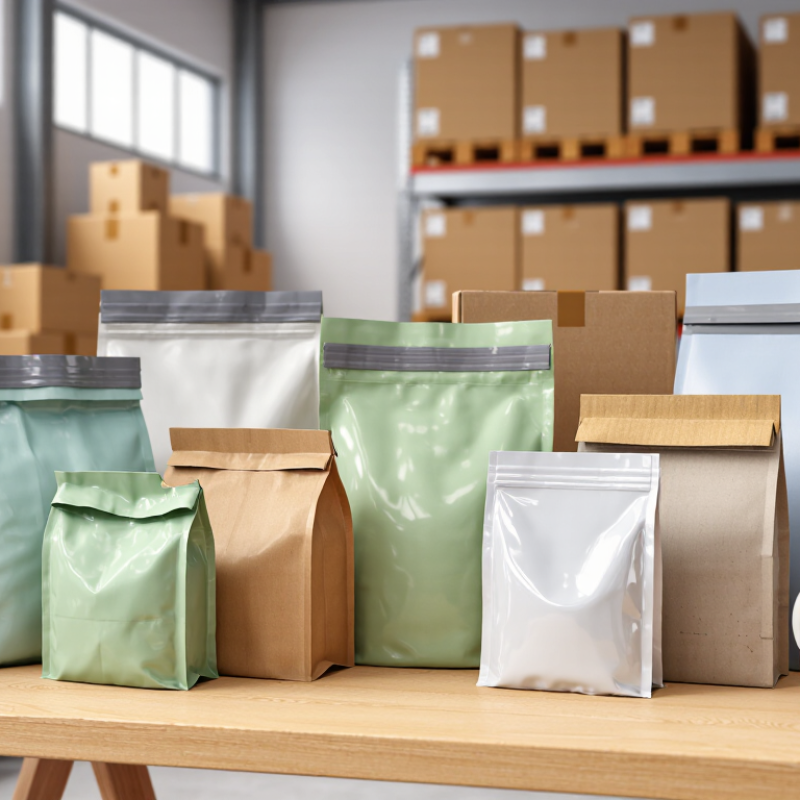
For buyers comparing ten shipping bags, “biodegradable” should not be accepted as a vague marketing phrase. A genuinely biodegradable bag contains materials that microorganisms can break down into natural substances under defined conditions. These materials may include plant-based polymers, paper fibers, or other certified biodegradable compounds. The bag should also have clear testing information, not just a green appearance.
Check the certificate, testing standard, and disposal environment. Some bags degrade only in commercial composting facilities, where heat, moisture, and oxygen remain controlled. Others may break down in soil, but much more slowly. In my packaging evaluations, I examine the bag’s thickness, tear strength, sealing quality, and storage behavior. A bag that weakens after light moisture exposure may create problems during warehouse handling.
Labels can mislead buyers.
Compostable does not always mean home-compostable. Biodegradable does not mean instant disposal. Additives alone cannot prove meaningful biodegradation. Ask for laboratory results showing the test method, timeframe, and remaining residue. A responsible supplier should explain what happens after delivery, including whether local collection systems can process the material. I have seen packaging perform well in a test chamber but fail during humid transport. That gap deserves attention. The most reliable choice balances verified degradation, practical protection, honest labeling, and the buyer’s actual disposal conditions.
When evaluating biodegradable shipping bags, match the bag to the product, not only the sustainability claim. Clothing needs tear resistance and enough space for folding. Books require stronger seams and moisture protection. Fresh or oily items need careful material testing, because some films weaken under heat or contact with liquids. Check thickness, puncture resistance, seal strength, and maximum weight. Ask for independent test reports and clear certification details. Vague wording deserves caution.
I once tested sample bags with a packed sweater, a small book, and a metal accessory. The thinnest bag looked attractive but split near the corner. That result was not dramatic, yet it exposed a real purchasing risk. Review storage conditions too. Humid warehouses may affect shelf life and adhesive performance. For a top-ten comparison, score each bag for durability, product fit, closure quality, print clarity, odor, storage stability, and disposal guidance. Also compare the full cost, including damaged shipments and replacement packaging.
Tips: Test samples before ordering in bulk. Drop packed parcels from a low height. Pull the handles firmly. Leave samples in warm, humid storage for several days. Read the disposal instructions carefully, since biodegradable materials may need specific conditions. Keep records of failures, even minor ones. A bag that works for soft garments may disappoint with sharp-edged products. Judge evidence, not attractive wording.
When comparing the top 10 biodegradable shipping bags, buyers should examine more than the word “green.”
Home-compostable mailers suit small, dry products but may soften in humid storage. Industrial-compostable bags usually offer better tear resistance, yet they need suitable processing facilities. Starch-blend bags feel flexible and lightweight.
Cellulose-film bags provide a clearer window, although sharp edges can puncture them. Kraft paper mailers are easy to recycle when coatings are minimal. They can crease during transport.
Padded paper mailers protect books, cosmetics, and small tools with less plastic content. Corrugated paper bags provide stronger cushioning for fragile items, but they use more material and occupy more warehouse space.
Water-based coated paper bags resist light moisture better than untreated paper. They still fail after prolonged rain. Fiber-based garment bags are practical for clothing, though their seams need testing under repeated handling.
Bio-based compostable mailers reduce fossil material use, but “bio-based” does not always mean biodegradable.
In packing trials, I check seal strength, puncture resistance, label adhesion, storage temperature, and disposal instructions.
A bag that tears beside a loading dock is not a responsible choice.
Ask for certified test results, clear composting conditions, and realistic shelf-life data. Test the smallest and largest parcel sizes. Some bags perform well in the laboratory but poorly with overfilled boxes. That gap deserves attention.
During one trial, a thinner bag saved material but caused more product returns. The cheaper option was not cheaper in practice.
Choosing among the top 10 biodegradable shipping bags starts with the delivery environment, not the product label. A lightweight compostable mailer suits clothing, books, and dry accessories. Its flexible film resists rain and reduces packaging volume. However, it may soften in prolonged heat or humidity. For heavier items, a paper-based mailer with reinforced seams offers better stiffness and easier sorting. No bag fits every route.
For fragile goods, select a padded biodegradable mailer with a paper fiber layer. It can cushion small impacts, but it will not replace a rigid box for glass or sharp edges. Cold-chain shipments need moisture-resistant materials, such as coated paper or certified compostable films. Always check sealing strength at the lowest expected temperature. I once favored a thin bag for its clean appearance, but its seams failed under repeated handling. That mistake changed my testing process.
Material claims should be verified through independent certification and clear disposal instructions. A bag marked biodegradable may require industrial composting, not a backyard compost pile or ordinary landfill. Ask suppliers for tear resistance, puncture testing, shelf-life data, and the percentage of renewable content. Recycled paper mailers work well for dry, low-risk orders and offer a familiar recycling path. Still, inks, coatings, and mixed layers can complicate recovery. Measure the real route: warehouse storage, courier handling, weather exposure, and local waste facilities. Small trials reveal more than attractive samples.
This comparative chart rates common biodegradable or compostable shipping bag materials from 1 to 5 across four practical requirements. A higher score indicates a stronger fit for that requirement. Actual performance depends on thickness, coating, sealing design, certification, and disposal conditions.
How to read the chart: PBAT/PLA blends and PHA films generally provide a balanced combination of moisture resistance, flexibility, and lightweight shipping performance. Kraft paper, recycled paper, bagasse fiber, and bamboo fiber are better suited to dry goods and applications where fiber strength and compostability are priorities. Cellulose films are lightweight and compostable but provide less puncture resistance than reinforced paper or polymer-based compostable films.
When comparing ten biodegradable shipping bags, check the material before the marketing claim. “Biodegradable” may describe laboratory conditions, not backyard disposal. Ask whether the bag is compostable, recyclable, or designed for controlled industrial composting. European Bioplastics and nova-Institute reported that global bioplastics production could grow from about 2.18 million tonnes in 2023 to 7.43 million tonnes by 2028. Growth is impressive, but disposal systems remain uneven.
Request certification documents, test methods, and batch information before ordering. A reliable bag should show tensile strength, tear resistance, seal strength, and moisture performance. Fill sample bags with your heaviest normal product. Drag them across a warehouse floor. I would also test them after storage in heat and humidity, because a bag that weakens early creates more waste. The OECD reports that packaging represents about 40% of global plastic waste, making material efficiency especially important.
Check thickness, dimensions, printing limits, and minimum order quantities. Ask what happens after use in your target delivery region. A compostable claim has little value if local facilities cannot process the bag. That point is often missed. I once focused too heavily on a lower unit price and overlooked weaker seals; the apparent saving disappeared through repacking labor. Buyers should compare total delivery cost, damage rates, disposal instructions, and verified environmental data. No single bag suits every product, climate, or fulfillment process.