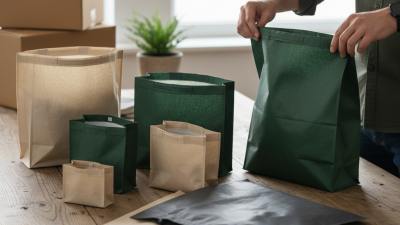
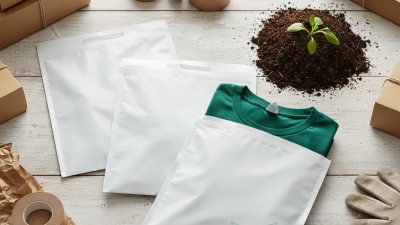
Choosing the best biodegradable poly mailers in 2026 requires more than reading a green label. Packaging buyers must examine materials, testing, performance, and realistic disposal options. A mailer may feel thin and smooth, yet still protect clothing, books, or small electronics during a rough delivery journey.
Dr. Jenna Jambeck, a leading plastic-waste researcher, has said, “We cannot recycle our way out of plastic pollution.” Her warning matters here. Biodegradable poly mailers should not become an excuse for careless consumption. Instead, buyers should check whether each product has credible compostability certification, clear disposal instructions, and transparent information about its resin and additives. Terms such as “eco-friendly” can sound impressive. They can also hide important gaps.
Look closely at tear strength, seal quality, moisture resistance, and storage conditions. A mailer that splits beside a warehouse loading dock creates waste twice. Ask suppliers for independent test results, not only attractive claims on a product page. Industrial compostability is not the same as backyard compostability. In many communities, suitable facilities remain limited. That inconvenient detail deserves attention.
This guide compares the practical choices. It considers protection, certifications, cost, printing, shipping conditions, and end-of-life pathways. Some recommendations may remain imperfect. That is honest. No material solves every packaging problem. The strongest choice is usually the one that matches the product, the delivery route, and the disposal system customers can actually use.

In 2026, a biodegradable poly mailer should offer more than a friendly-sounding claim. The material must be supported by clear testing, documented ingredients, and defined disposal conditions. “Biodegradable” does not always mean it will disappear in soil, water, or a home compost bin. Many products need controlled heat, moisture, oxygen, and microorganisms found in industrial composting facilities.
Look for independent certification and a published test standard. Ask how long degradation takes, what residue remains, and whether the film leaves microplastic fragments. A reliable supplier should explain the mailer’s polymer source, ink composition, adhesive, and tear strip. The entire package matters. A compostable film with a conventional plastic label creates a practical problem. It is easy to miss.
I would also check the disposal message printed on the mailer. It should match local waste facilities, not just the supplier’s website. In real use, a wet mailer may sit in a warehouse or delivery van for days. It still needs enough strength to protect clothing, books, or small household goods. Weak seams can cause replacement shipments and create more waste. A common mistake is choosing the most natural-sounding material without testing it for punctures and storage conditions. I would request samples, fill them with realistic items, and inspect the seals after transport. The honest answer may be less convenient: some biodegradable options perform well only when their end-of-life system is available.
Material selection should begin with the mailer’s disposal route. PBAT blends often provide flexibility and tear resistance. PLA can improve stiffness, but it may become brittle in cold conditions. Starch-based blends can reduce fossil-plastic use, yet moisture remains a concern. Recycled polyethylene is useful for lower-impact packaging, but it is not biodegradable. Paper-plastic laminates also need careful review. They may be difficult to separate after use.
Look for test evidence, not only attractive wording. Certifications should match the claimed environment. EN 13432, ASTM D6400, and ISO 17088 relate to industrial compostability. They do not automatically prove home compostability. A credible certificate should identify the exact product, material formula, thickness, and testing laboratory. Check whether inks, adhesives, and labels were included. They can affect the final result. Ask for current documentation.
The disposal label should be clear. Very clear. Packaging teams should also compare tensile strength, seal quality, storage temperature, and moisture exposure. A mailer that tears beside a wet loading dock creates more waste than expected. One practical mistake is choosing a certified film without checking local collection systems. If industrial composting is unavailable, the certification may offer little real-world value. No material performs perfectly. Suppliers should disclose limitations, renewal dates, and any changes in formulation.
Choosing a biodegradable poly mailer starts with the packed product, not its advertised size. Measure the item after wrapping, then allow room for seams and the closure flap. A mailer that fits too tightly can split around corners. One that is oversized may let the product slide and crease. Fit matters. For clothing, leave enough space for folding without forcing the seal.
Strength should match weight, surface, and handling conditions. Check material thickness, tear resistance, and puncture performance when those figures are available. A boxy item with sharp edges needs more protection than a soft sweater. For heavier goods, use a stronger mailer or add internal padding. In a simple packing trial, press the filled mailer against a table edge and pull the sealed end gently. It should not stretch dramatically or open. Do not guess.
Closure design affects both security and usability. A wide adhesive strip helps when the flap must cover uneven contents. A second strip can support returns, but it may reduce the available interior space. Test the adhesive on clean, dry material and after exposure to ordinary temperature changes. I have seen attractive mailers fail because the film was strong, but the closure was weak. Also, confirm what “biodegradable” means in the supplier’s documentation. Compostable performance may require specific heat, moisture, and processing conditions. Request test reports and disposal guidance before making environmental claims.
A supplier’s “biodegradable” claim needs more than attractive wording. Ask for the full material specification, including polymer type, additives, thickness, and production batch. Request independent test reports, not screenshots or marketing summaries. Check the test standard and conditions. Industrial compostability differs sharply from home compostability and natural soil degradation. The OECD reported that only 9% of global plastic waste was recycled in 2019, while 22% was mismanaged. This shows why disposal claims require careful verification.
(OECD, Global Plastics Outlook, 2022.)
Tips: Ask for certification numbers and issuing bodies. Confirm the certificate matches the exact mailer model. Review whether testing covers the finished product, ink, adhesive, and handles. Request a chain-of-custody statement for recycled or bio-based content. A supplier should explain the disposal route in plain language.
Compare environmental impact through a life-cycle assessment using ISO 14040 and ISO 14044 principles. Examine raw materials, manufacturing energy, transport distance, and end-of-life treatment. A thinner mailer may reduce material use, but it can fail during shipping and create more waste. That trade-off is easy to miss. In my experience, small trial shipments reveal weaknesses that laboratory samples hide. Measure punctures, seal failures, moisture exposure, and customer disposal behavior. I would not accept a carbon-reduction figure without its baseline, system boundary, and calculation date. Claims can be technically correct yet practically misleading.
Choosing the best biodegradable poly mailers in 2026 requires more than checking a compostable label. Test them with the products they will actually carry. Fill each sample with books, clothing, or small boxed items, then inspect the seams and closure. Apply pressure by hand. Drop the package from table height. A mailer that tears before shipping is not a sustainable choice.
Test performance in realistic conditions. Leave samples in a warm room, a cold area, and a slightly damp space. Check whether the film becomes brittle, sticky, or difficult to seal. Measure the load and record the results. My first trial focused only on tear resistance, which was a mistake. Moisture caused more failures than weight.
Claims should also be supported by recognized compostability standards and clear testing conditions. “Biodegradable” does not always mean home-compostable or quickly decomposable.
Disposal must match the material’s certification.
Industrially compostable mailers usually require controlled heat, moisture, and microbial activity. Many household compost bins cannot provide these conditions. Contact the local waste facility before placing mailers in organic waste. Never assume they belong in plastic recycling.
Remove labels and adhesive pieces when instructed. If no suitable facility exists, regular waste may be the more responsible option. That feels disappointing, but sending unsuitable packaging into recycling can contaminate an entire stream. Keep disposal instructions visible for warehouse staff and customers.