Top Custom Compostable Mailers Suppliers in China?
Finding the right custom compostable mailers supplier in China takes more than comparing prices or choosing the most attractive sample. Buyers need to understand the material, production controls, customization options, and evidence behind each environmental claim. A mailer may look sturdy on a desk but behave differently after sealing, handling, and transit. Small details matter.
This guide explores suppliers and the questions worth asking before requesting a quote. Check the mailer’s material composition, available sizes, print methods, minimum order quantities, and production lead times. Ask for current test reports or certifications, and confirm which product and facility they cover. Claims should be specific, not just reassuring. Compostable packaging may require particular conditions, so clarify how the supplier describes appropriate disposal. “Compostable” alone is not the whole story.
Samples can help assess thickness, seal strength, tear resistance, and print quality. Still, a few samples cannot prove every production run will be consistent. That is easy to overlook. Request written specifications and discuss quality checks before placing a larger order. Consider communication, export experience, and how clearly the supplier handles questions, not only unit cost. The aim is a supplier that can explain its materials and process plainly, share relevant documentation, and flag limits instead of promising too much. This practical comparison can help businesses narrow their options and choose custom compostable mailers with clearer expectations.
What Are Custom Compostable Mailers?
Custom fit
Custom compostable mailers are shipping bags made from materials designed to break down under composting conditions. Their size, thickness, color, and printed design can be tailored to a product or packing process. Some include a peel-and-seal strip or tear notch for easier handling. The material may use compostable polymers, plant-based components, or a blend; the exact formulation matters.
“Compostable” does not mean a mailer disappears in soil, water, or a home bin. Some products require controlled industrial composting, with specific heat, moisture, and processing time. Check the product’s test documentation and disposal instructions, then confirm that suitable facilities are available to customers. Details matter.
For a practical evaluation, pack a real order and check how the mailer handles sharp corners, damp conditions, and routine sorting. A sample can look sturdy on a desk but behave differently in transit. Review seal strength, print coverage, and the feel of the film, too. Heavier material is not automatically better; it may add cost without improving protection. Small trials help reveal trade-offs before a large order.
How Compostable Mailers Are Made and Certified
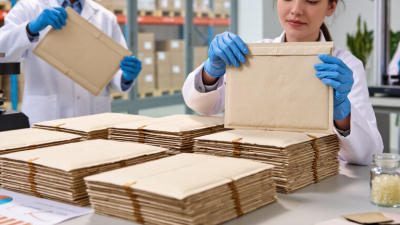
Compostable mailers begin with a resin blend, often combining plant-derived materials with compostable polymers. Suppliers dry and blend the pellets, then melt them and push the material through a film-extrusion line. The thin film is cooled, wound into rolls, and checked for thickness, strength, and pinholes. A small flaw can become a split seam during shipping.
Converters print the film, cut it to size, and heat-seal the edges. Quality checks may include seam strength, tear resistance, and testing after storage. These details matter because a mailer must protect its contents before composting. Compostable does not mean suitable for every compost pile. Many products are designed for controlled industrial composting, where heat, moisture, and microbes are managed.
Certification involves testing the finished mailer, not just its raw materials. Standards such as EN 13432 and ASTM D6400 assess biodegradation, disintegration, and limits on certain substances under specified conditions. Buyers should request the certificate and confirm that its scope covers the exact film, inks, and construction being purchased. Check the disposal label, too. Certification is not a promise that the mailer will break down in a backyard bin or roadside soil. That distinction is easy to miss. And labels can be vague. A useful supplier discussion includes test reports, batch controls, and clear disposal guidance.
Key Customization Options for Compostable Mailers
Custom sizing is the first decision to settle. Measure the packed product, including any tissue or protective insert, then allow room for loading without excess empty space. A mailer that is too tight can strain its seams; an oversized one may let items slide around. Small differences matter.
Film thickness, color, and finish affect both appearance and handling. Ask suppliers for material specifications and samples, then test them with the actual product. Check tear resistance, seal strength, and how the mailer behaves after folding. A smooth, pale surface may suit simple printing, while dark or detailed artwork can look different on compostable film than on paper. Test the print. It is easy to overlook.
Closure options include peel-and-seal strips and reusable second seals for returns. Choose based on how customers will pack and reopen the parcel. Also confirm whether the material’s compostability claims apply to the finished mailer, including inks and adhesives, and ask what disposal conditions are intended. Certificates and technical documents are more useful than a broad label alone. I would not treat one good sample as proof; request repeat samples if production specifications change.
Top Custom Compostable Mailers Suppliers in China? - Key Customization Options for Compostable Mailers
| Customization Dimension |
Common Options |
What to Confirm When Sourcing |
| Compostability standard |
Industrial-compostable or home-compostable formulations |
Request current test reports or certification documents for the finished mailer, and check whether the claim applies to industrial or home composting. |
| Material and formulation |
Compostable polymer blends; options may include starch-based components and compostable polyesters |
Ask for material composition, intended disposal conditions, and documentation supporting any compostability claims. |
| Bag dimensions |
Custom width, length, and flap size; flat or gusseted construction |
Provide the product measurements and required clearance. Confirm finished dimensions and tolerances with a physical sample. |
| Film thickness |
Thickness selected to balance flexibility, opacity, and protection |
Specify the measurement unit and tolerance, and test the proposed film with the intended contents and shipping conditions. |
| Color and opacity |
Natural or custom-colored film; transparent, translucent, or opaque appearance |
Confirm color consistency, opacity, and compatibility of colorants with the applicable compostability requirements. |
| Printing |
Custom artwork, text, handling instructions, and disposal guidance |
Check print colors, print area, artwork file requirements, and whether inks are covered by relevant certification or testing. |
| Closure and tamper evidence |
Self-seal adhesive flap; optional second sealing strip for returns |
Test adhesive performance for the expected storage and shipping conditions, and verify the closure components against the product’s compostability claims. |
| Functional features |
Tear notch, handle, gusset, or other application-specific features |
Confirm usability and strength with a sample; added components should be considered when reviewing compostability documentation. |
| Packaging and order planning |
Bulk packing, carton labeling, and production quantities agreed for the order |
Request written confirmation of minimum order quantity, sample and production lead times, packing details, and quality inspection criteria. |
Note: Compostability depends on the complete product and the conditions specified by the applicable standard. Verify claims and documentation for the finished mailer before purchase.
Leading Custom Compostable Mailer Suppliers in China
Leading custom compostable mailer suppliers in China should be able to explain materials, production controls, and customization options clearly. Ask whether the mailer is designed for home or industrial composting, and request documentation supporting any environmental claims. Terms such as “compostable” can mean different things under different testing standards. Details matter.
A practical supplier review starts with a sample. Check its thickness, seal strength, print clarity, and feel after handling. Test the mailer with the products you actually ship; a package that works for a light garment may not protect a heavier item. Ask about minimum order quantities, lead times, and how the supplier handles color or size variations. Get specifications in writing. Samples are useful, but they cannot show every production inconsistency.
Reliable suppliers should welcome questions about material sourcing, batch checks, and packaging storage. Request a recent production sample and compare it with the approved version before placing a larger order. Also confirm how the finished mailers should be stored, since heat and moisture may affect packaging performance. Some details are easy to overlook. I would still verify claims independently rather than relying only on a sales sheet.
How to Evaluate and Select a Chinese Supplier
Choosing a Chinese supplier for custom compostable mailers takes more than comparing prices. Ask what the mailer is made from and whether its compostability evidence covers the exact product, including inks and adhesives. Check the certificate issuer, test method, and composting conditions. “Compostable” may refer to industrial facilities, not home composting. Get this distinction in writing.
Request samples in your intended size and thickness. Pack them with a typical order, then check seal strength, puncture resistance, print quality, and how they perform after handling. A sample can look excellent on a desk and fail in transit. Ask about minimum order quantities, production lead times, quality checks, and how defects are handled. If possible, review a recent inspection record or arrange an independent factory assessment. Clear answers matter.
Tips: Send the same specification sheet to each supplier. Include dimensions, material, thickness, color, print area, and packaging needs. Compare itemized quotations, not just unit prices. Keep one approved sample as a reference. I have seen specifications miss small details, and that can create avoidable rework. Leave room for a second sample round.
EN 13432 Compostability: Key Thresholds for Supplier Verification
Use these standard-related criteria when reviewing compostable mailer documentation. Ask suppliers for valid certificates and test reports covering the exact product and material being quoted.
The 90% thresholds shown summarize key EN 13432 criteria: biodegradation within six months, disintegration within 12 weeks (at least 90% passing a 2 mm sieve), and plant germination and biomass results above 90% of the control. Confirm the applicable test methods and certification scope with the supplier.